Why the bucket problem persists
DWS has explained that the historical programme was scoped around identified buckets in formal areas and that bucket systems can continue to appear elsewhere, including informal settlements. That makes sanitation a continuing service-delivery problem rather than a once-off replacement exercise.
Choose the sanitation pathway by site
Where sewer capacity exists, connect to it. Where sewer is planned but delayed, consider transitional systems that can later integrate. Where conventional sewer is not viable, approved on-site or decentralised systems may be appropriate if operations and maintenance are properly designed.
- Household wet cores
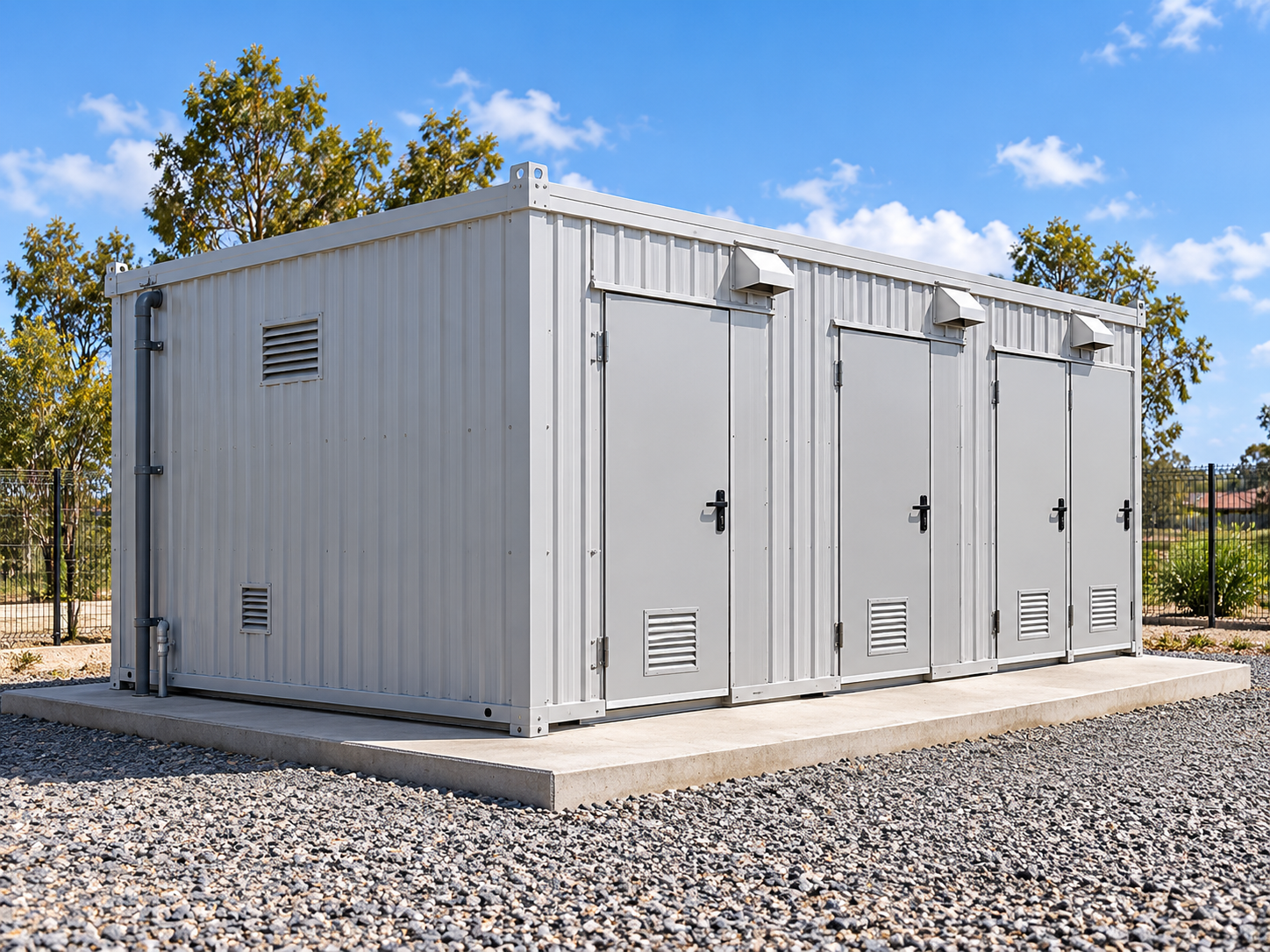
- Cluster sanitation modules
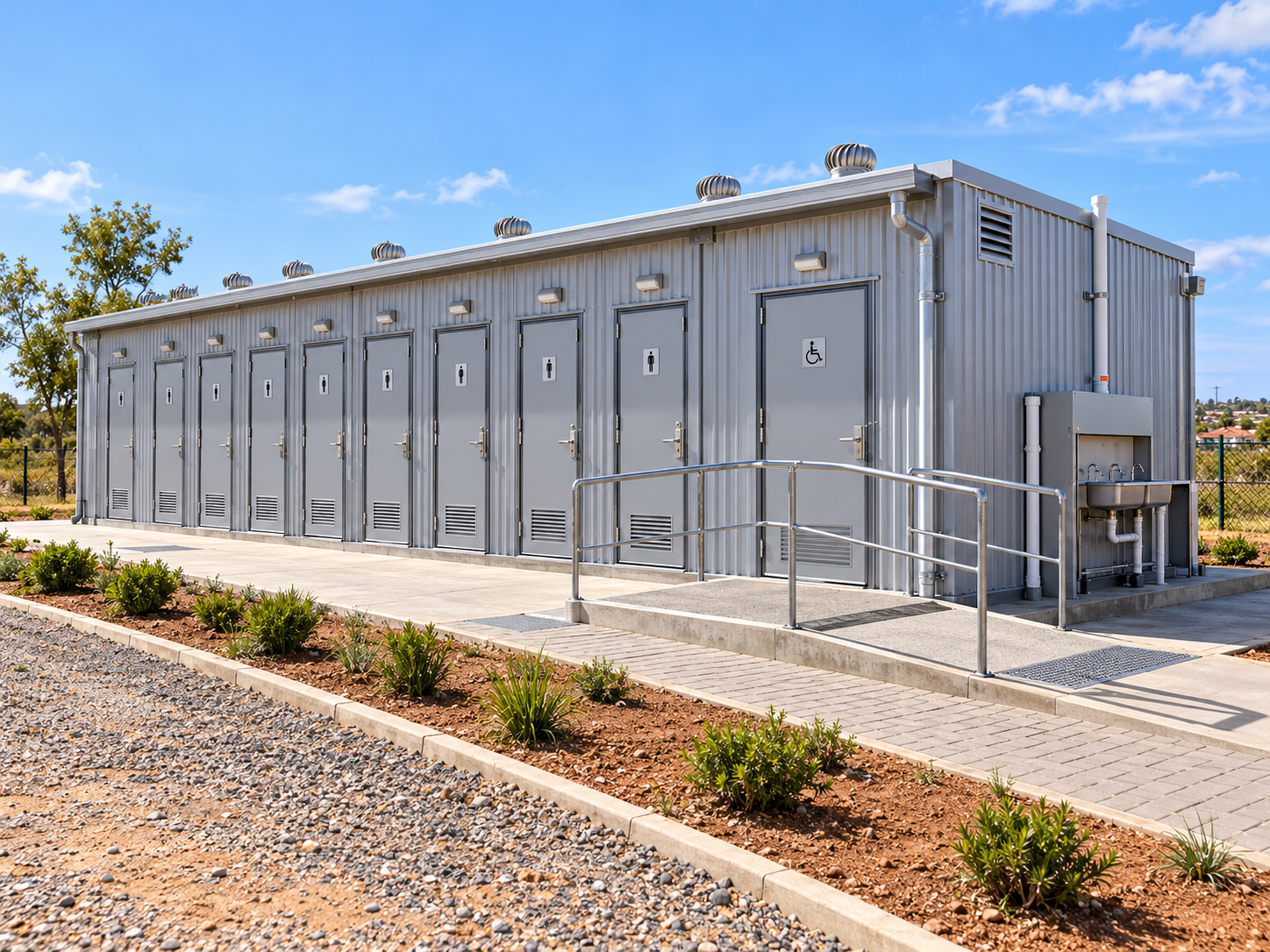
- Community ablution facilities
- Packaged pumping and treatment
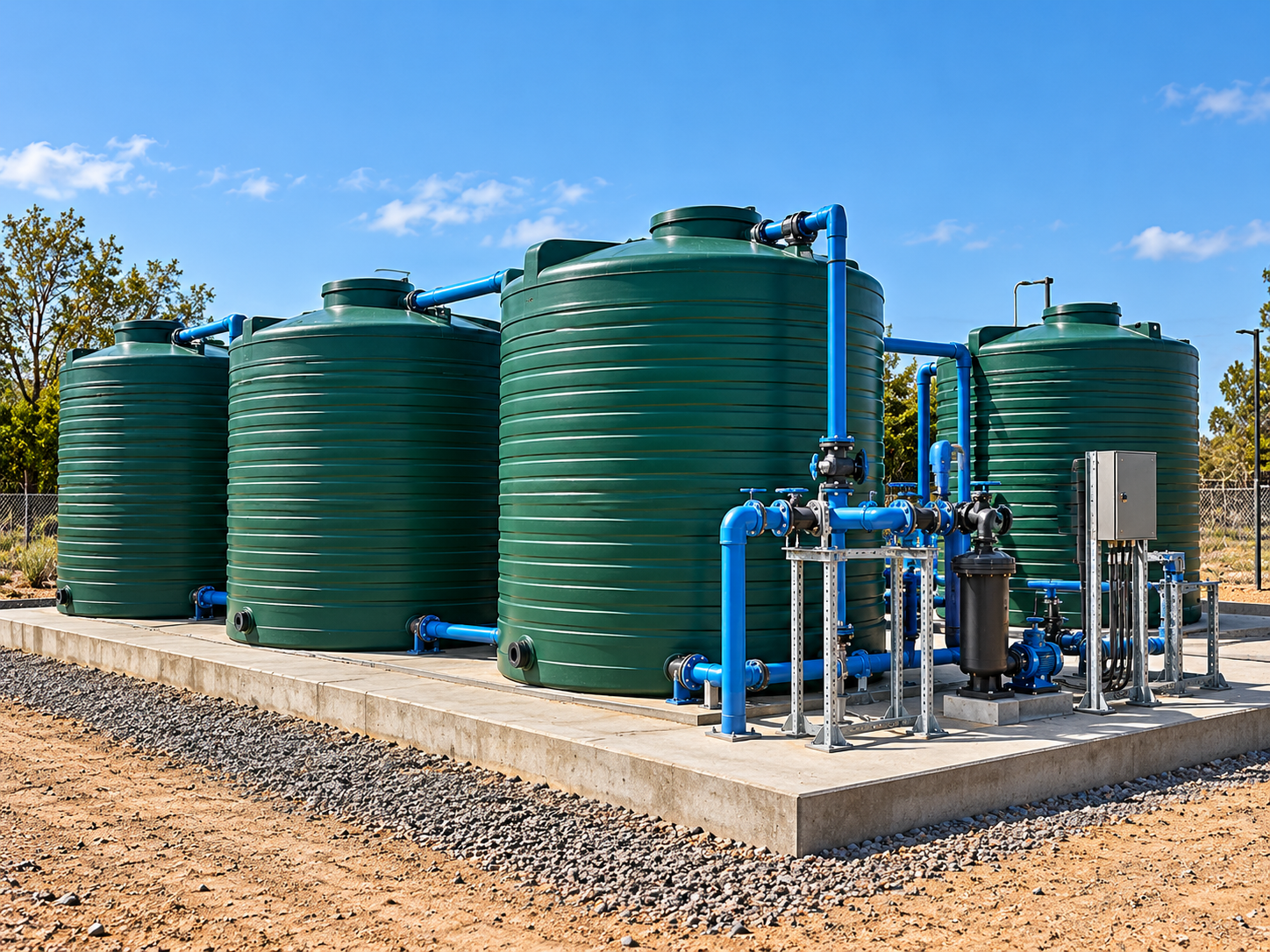
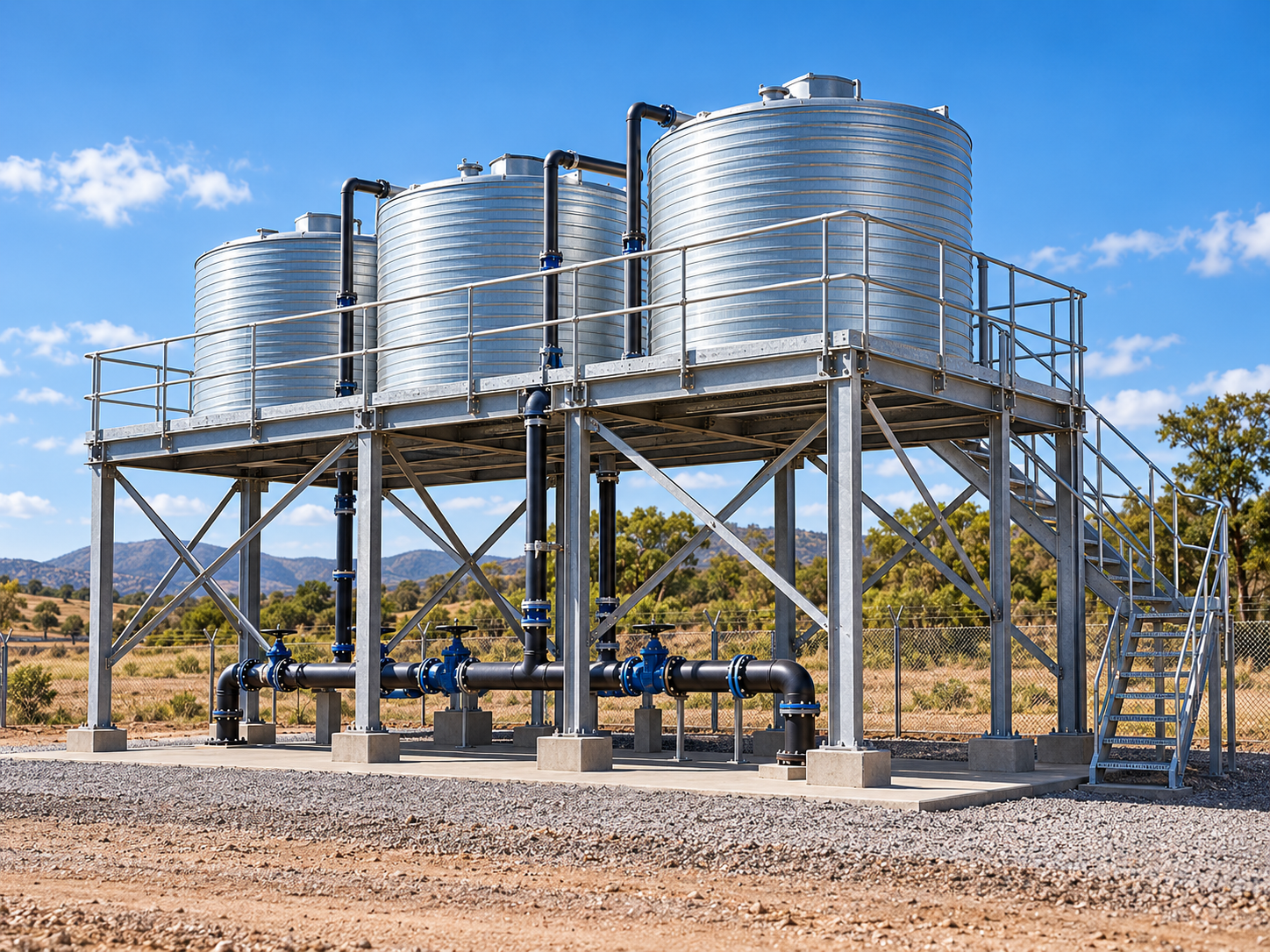
- Water storage and metering
- Telemetry and maintenance plans
Design for operations from the beginning
A sanitation system is only dignified if it keeps working. Every FlexiSan programme should define who cleans, inspects, empties, services, monitors and repairs the system, not only who installs it.